

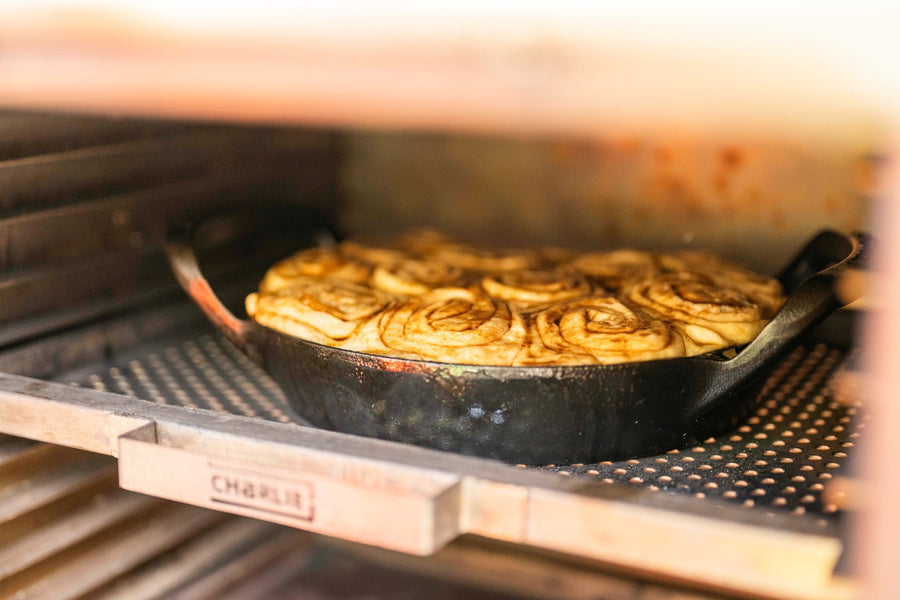
 BakeMilk Bread Cinnamon BunsSoft, pillowy milk bread wrapped around a swirl of cinnamon and brown sugar, finished w...
View recipe
BakeMilk Bread Cinnamon BunsSoft, pillowy milk bread wrapped around a swirl of cinnamon and brown sugar, finished w...
View recipe
Outdoor Cooking & Charcoal Oven Recipes / Beef

Topside of Beef Roast Dinner
Pink slices of rosemary-crusted beef, crisp dripping potatoes and red wine gravy. Add roasted carrots and buttery hispi cabbage and you have the whole Sunday roast, cooked in Charlie. The onions and carrots beneath the beef catch the juices, so the gravy gets a very good start.
 Tara QuickCo-founder, Charlie Oven
Ingredients
6 servings
Serves 6Scale
For the beef
For the roast potatoes and carrots
For the hispi cabbage
For the red wine gravy
Method
Cook Mode
Stops your screen going dark while you follow along.
Prepare
Take the chill off the beef
Take the beef out of the fridge a while before cooking so it loses some of its chill.Season the beef
Mix the sea salt with 2 tsp dried rosemary. Pat the 1.5kg topside dry and rub it with 1 tbsp oil, then season it well all over with the rosemary salt and freshly ground black pepper. Roughly chop 2 medium onions and 2 medium carrots ready for the roasting tray.
Light Charlie
Light Charlie
Light Charlie with good-quality lumpwood charcoal and bring the oven to around 200°C (390°F). Set a Cooking Rack low in the oven, close to the charcoal, for searing. Once seared, the beef moves into a roasting tray higher up in Charlie, where the heat is gentler and more even.Why this mattersThere is no need for smoking wood. The lumpwood charcoal and the initial sear give the beef plenty of flavour.
Sear and roast the beef
Sear the beef
Put the seasoned beef directly onto the low Cooking Rack above the charcoal. Sear on all sides until you have a good, deep brown crust, then lift it out of Charlie.Build the roasting tray
Scatter the roughly chopped onions and carrots over the bottom of a deep Roasting Tray. Sit the seared topside on top and pour 250ml red wine and 500ml beef stock into the tray around the meat. Keep the liquid below the meat so the joint roasts rather than being submerged. Adjust the initial stock amount to suit your tray.Roast the beef
Put the Roasting Tray on a higher rack in Charlie, away from the strongest direct heat. Close the door and roast at around 200°C (390°F). Insert a temperature probe into the centre of the thickest part of the joint and, for medium beef, aim for around 57 to 60°C (135 to 140°F) before resting.Why this mattersTopside is a lean joint and dries out quickly if it goes too far. Upper racks are gentler, so moving it up after the sear lets it roast evenly while the probe tells you exactly when to take it out.
Potatoes and carrots
Parboil the potatoes and carrots
While the beef roasts, parboil 1.5kg floury potatoes until the outsides begin to soften. Drain thoroughly and shake them in the colander to rough up the edges. Peel 750g carrots, halve them lengthways and parboil until partly tender, then drain well.Why this mattersRoughing up the parboiled potatoes creates a craggy surface that catches the hot dripping and turns really crisp in the oven.Heat the dripping
Heat 120g beef dripping in a second roasting tray in Charlie. Carefully add the parboiled potatoes and halved carrots, turn them through the hot dripping and season with sea salt.Roast the potatoes and carrots
Roast at around 200°C (390°F), turning them during cooking, until the potatoes are deeply golden and crisp and the carrots are tender and caramelised. Keep them roasting while the beef rests.
Rest and gravy
Rest the beef
Lift the beef out of the roasting tray and rest it somewhere warm for 20 to 30 minutes before carving. Keep everything left in the roasting tray for the gravy.25 min timerStart the gravy
Use the onions, carrots and cooking liquor left behind by the beef as the base for the gravy. Add a little more red wine and beef stock if needed, scraping up the browned bits from the roasting tray.Finish the gravy
Stir in 1 tsp cherry or blackcurrant jam. Reduce until rich and glossy, then taste before adding more jam and strain before serving.Why this mattersThe jam is there to balance the gravy, not sweeten it. It rounds out the acidity of the red wine and the richness of the beef juices, so start small and taste before adding more.
Hispi cabbage
Parboil the cabbage
Cut the hispi cabbage lengthways into wedges, keeping the root intact so they hold together. Bring a mixture of beef stock and water to the boil and parboil the wedges until they begin to soften but still hold their shape. Drain thoroughly.Char the cabbage
Transfer the wedges to the Perforated Plancha on a low rack position close to the charcoal. Cook until the cut sides and edges have a good char while the centre stays tender and juicy. Finish with 25g butter and sea salt.
Serve
Carve and serve
Carve the rested topside thinly across the grain. Serve with the crisp beef-dripping roast potatoes, caramelised carrots and buttery charred hispi cabbage, and spoon plenty of hot red wine gravy over the beef.
More recipes
-
 BakeMilk Bread Cinnamon BunsSoft, pillowy milk bread wrapped around a swirl of cinnamon and brown sugar, finished w...
View recipe
BakeMilk Bread Cinnamon BunsSoft, pillowy milk bread wrapped around a swirl of cinnamon and brown sugar, finished w...
View recipe
-
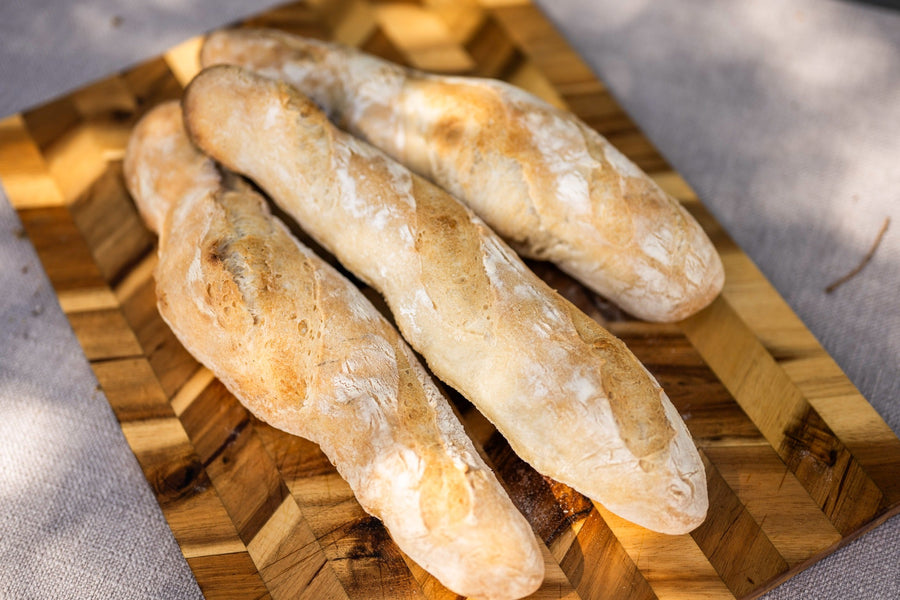 BakeEasy Homemade BaguettesFresh bread, a crisp crust and butter melting into the middle. These easy homemade bagu...
View recipe
BakeEasy Homemade BaguettesFresh bread, a crisp crust and butter melting into the middle. These easy homemade bagu...
View recipe
-
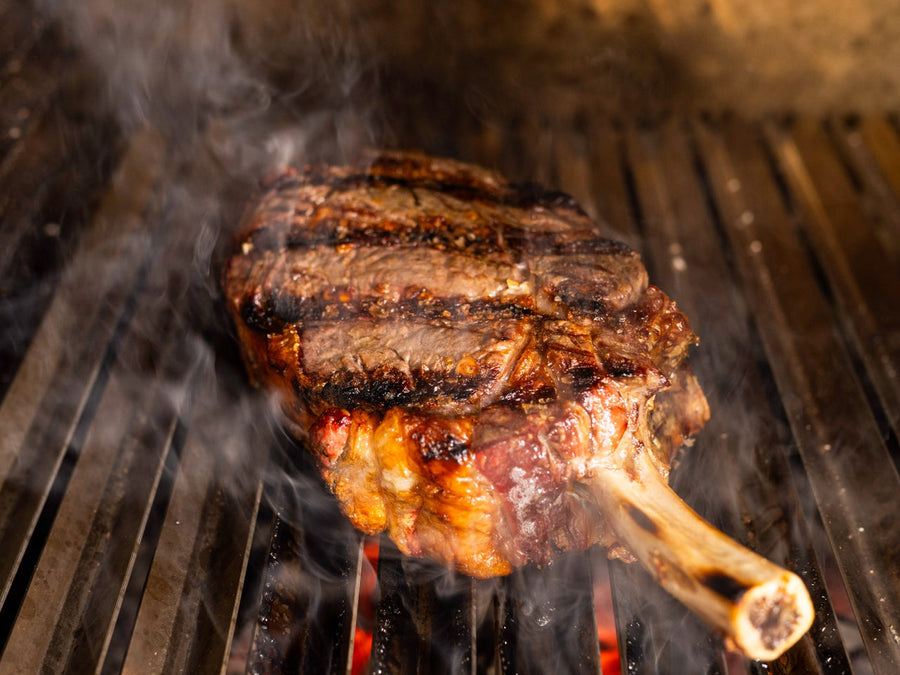 BeefCharcoal Grilled Ribeye Steak on the Argentine GrillA thick ribeye on the bone, a hot Argentine grill and a little sea salt. That is a very...
View recipe
BeefCharcoal Grilled Ribeye Steak on the Argentine GrillA thick ribeye on the bone, a hot Argentine grill and a little sea salt. That is a very...
View recipe
-
 GrillPrawns with Chilli, Garlic and LemonShell-on prawns hit the hot plancha and the smell of garlic and toasting shell drifts o...
View recipe
GrillPrawns with Chilli, Garlic and LemonShell-on prawns hit the hot plancha and the smell of garlic and toasting shell drifts o...
View recipe

The cook

Tara Quick
Co-founder, Charlie Oven
Tara Quick is co-founder of Charlie Oven, a lifelong foodie who loves to cook and bring people together around the table. Her approach is simple: start with great ingredients, let the oven do the hard work and cook with love. Food made with love just tastes better.
More recipes by Tara QuickFrequently asked questions
-
What temperature should topside of beef be for medium?
-
Where should I cook topside in the Charlie Oven?
-
Why roast the beef with red wine and beef stock?
-
Why add jam to beef gravy?
-
How do I stop topside of beef becoming dry?
-
Why finish hispi cabbage over the charcoal?