


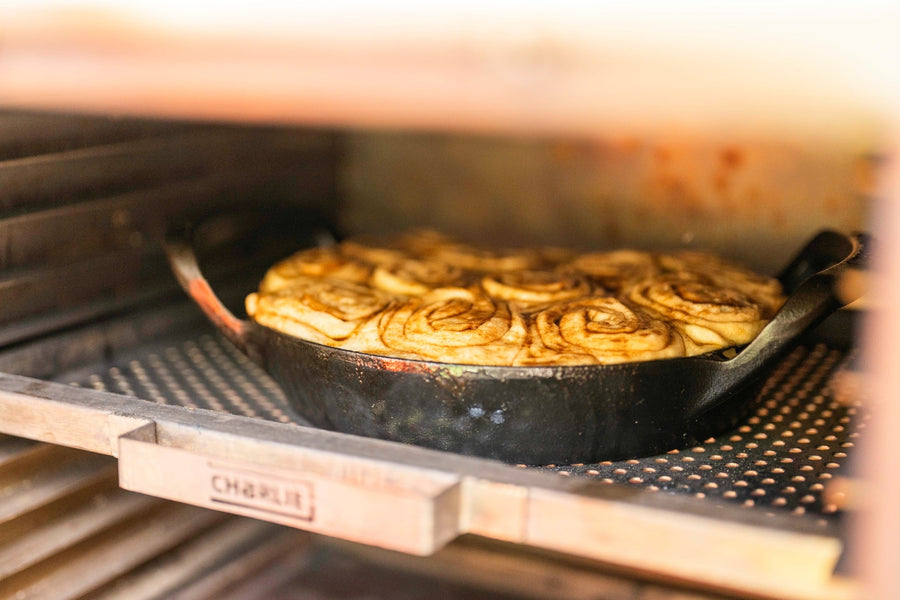
 BakeMilk Bread Cinnamon BunsSoft, pillowy milk bread wrapped around a swirl of cinnamon and brown sugar, finished w...
View recipe
Outdoor Cooking & Charcoal Oven Recipes / Bake

Cooked in the Charlie Charcoal Oven
Salt-Baked Sea Bream
Crack open the salt crust and there's beautifully moist sea bream underneath. The crust protects the fish as it bakes in Charlie, then comes away before serving. Herbs and a little olive oil are all the fish needs. A bit of theatre, with a useful job behind it.
 Tait MillerChef, Wild & Fire Cooking
Oven temperature200°C (390°F)
RackTray on the middle or upper rack, for indirect heat
CharcoalAbout half a football of good quality lumpwood charcoal, set at the back of the fire grate for indirect heat
Ingredients
Serves 4Scale
Equipment
Everything used in this recipe. Already have Charlie? Add the accessories in one go.
-
 Charlie Charcoal Oven£4,958.33Choose your oven, Charlie Charcoal Oven
-
 Charlie Oven Cooking Rack£233.33
-
 Charlie Oven Tongs 55cm£33.33
Method
Cook Mode
Stops your screen going dark while you follow along.
Setting up Charlie
- Light your charcoal and bring the Charlie Oven up to around 200°C (390°F) using indirect heat with the fire set at the back of the grate.
- Rinse and pat the sea bream dry. Stuff the cavity with lemon slices and fresh herbs. Optionally score the skin once or twice on each side.
- In a bowl, mix the coarse salt with egg whites and lemon zest until it feels like damp sand. Add fennel seeds or crushed pepper if desired.
- Line a tray with baking parchment or foil. Spread a 1 to 2 cm base layer of the salt mixture. Lay the sea bream on top, then completely cover with the rest of the salt, pressing down firmly to seal.
- Place the tray on the middle or upper rack, away from direct flame. Bake for 30 to 35 minutes (allow roughly 20 minutes per kg of total weight).
- Let the fish rest in its crust for 5 to 10 minutes after baking. Crack open the salt shell gently with the back of a spoon or knife.
- Brush away excess salt, peel off the skin, and lift out the fillets. Serve with 1 tbsp olive oil.
Tips
More recipes
-
 BakeMilk Bread Cinnamon BunsSoft, pillowy milk bread wrapped around a swirl of cinnamon and brown sugar, finished w...
View recipe
-
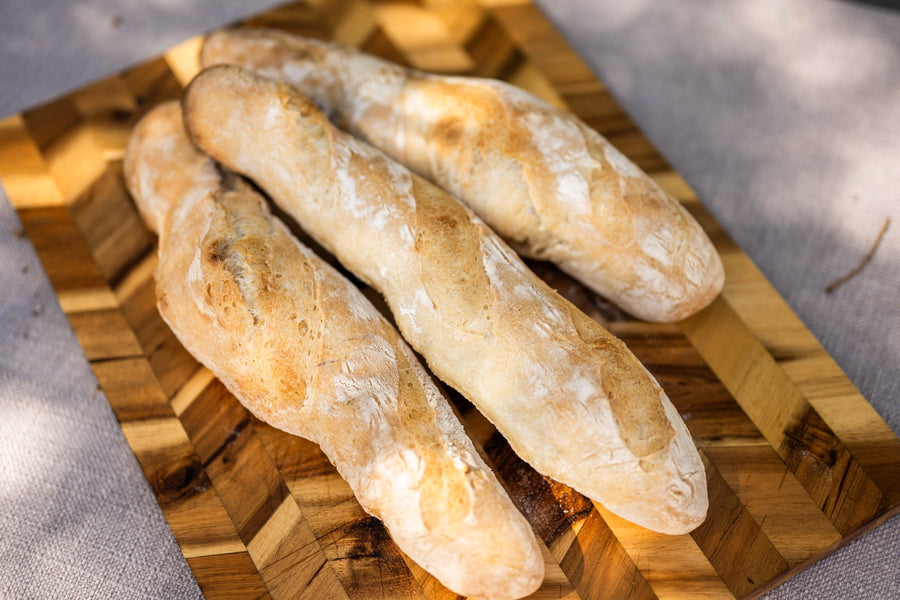 BakeEasy Homemade BaguettesFresh bread, a crisp crust and butter melting into the middle. These easy homemade bagu...
View recipe
-
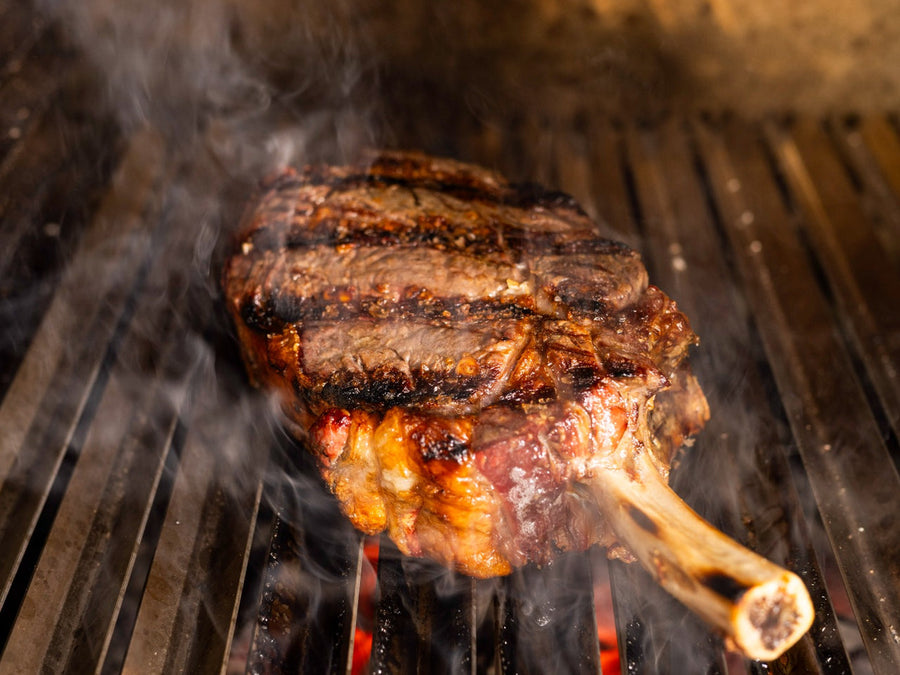 BeefCharcoal Grilled Ribeye Steak on the Argentine GrillA thick ribeye on the bone, a hot Argentine grill and a little sea salt. That is a very...
View recipe
-
 GrillPrawns with Chilli, Garlic and LemonShell-on prawns hit the hot plancha and the smell of garlic and toasting shell drifts o...
View recipe

The cook

Tait Miller
Chef, Wild & Fire Cooking
Chef Tait Miller specialises in wild, open-fire cooking, drawing on foraged ingredients and around 16 years in the industry. London-based, he's known for his outdoor cooking and foraging work, and led Charlie Oven's Greek Summer Feast Masterclass.
More recipes by Tait MillerFrequently asked questions
-
Will salt-baked sea bream taste too salty?
-
How long does salt-baked sea bream take in Charlie?
-
What should the salt crust feel like?
-
Where should the fire and tray go for salt baking?