


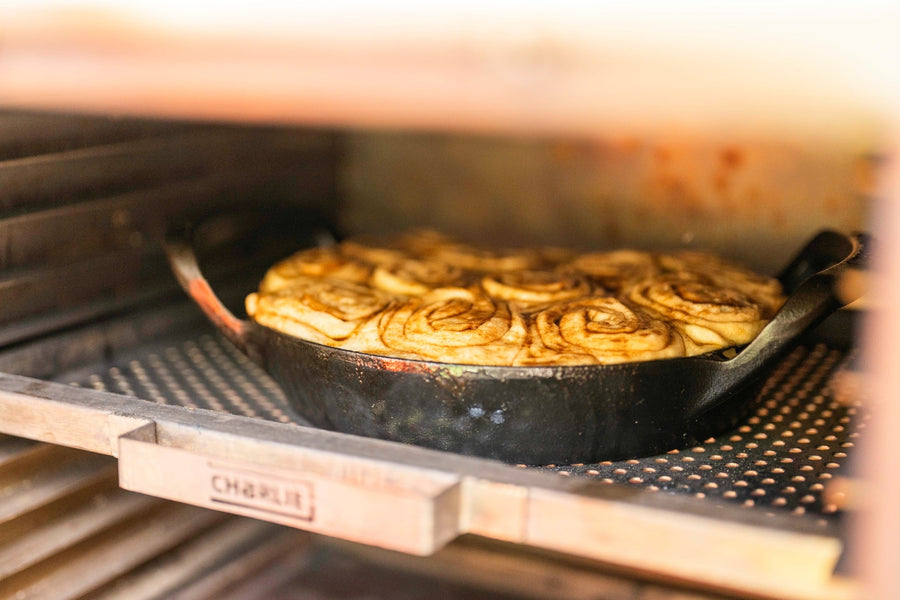
 BakeMilk Bread Cinnamon BunsSoft, pillowy milk bread wrapped around a swirl of cinnamon and brown sugar, finished w...
View recipe
Outdoor Cooking & Charcoal Oven Recipes / Braise

Cooked in the Charlie Charcoal Oven
Low and Slow Lamb Curry
Charlie owner Dan O'Brien shared this lamb curry, built around marinated shoulder and fire-charred onions and tomatoes. A long, gentle cook brings tender meat, a rich sauce and a smoky edge. Have naan or rice ready for the juices. There is plenty of sauce to enjoy.
Dan RyanCharlie Oven Customer
Oven temperature110 to 120°C (230 to 250°F)
RackLower rack to sear directly over the fire, then a heavy ovenproof pan on the middle rack for the slow cook
CharcoalAt least half a football of good quality lumpwood charcoal, set in the centre of the charcoal grates
Ingredients
Serves 6 peopleScale
Equipment
Everything used in this recipe. Already have Charlie? Add the accessories in one go.
-
 Charlie Charcoal Oven$9,817.00Choose your oven, Charlie Charcoal Oven
-
 Charlie Oven Cooking Rack$462.00
Method
Cook Mode
Stops your screen going dark while you follow along.
Setting up Charlie
- Mix the marinade ingredients together and coat the lamb thoroughly. Cover and refrigerate overnight for the best flavour.
- Place the marinated lamb directly over the fire on the lowest rack. Cook for 15 to 20 minutes, turning occasionally, until browned and caramelised on all sides. Set aside.
- In a heavy ovenproof pan, heat oil or ghee in the oven. Add the chopped onion, garlic paste, ginger paste, and sliced chillies. Cook until softened and golden.
- Stir in the ground coriander, cumin, and turmeric. Cook briefly, then pour in the passata and 200ml of water. Stir well to combine.
- Add the seared lamb and any juices to the pan. Cover loosely with foil or a lid. Move the pan to the middle rack and slow cook at 110 to 120°C (230 to 250°F) for about 5 hours, stirring occasionally and topping up with water if needed.
- Skewer the red onions and tomatoes. Place them on the lowest rack directly above the fire until blistered and charred. Roughly chop and stir into the curry.
- Add the garam masala and lemon juice. Cook for 2 more minutes. Sprinkle with fresh coriander and green chillies. Serve with naan, rice, or just a spoon.
Tips
More recipes
-
 BakeMilk Bread Cinnamon BunsSoft, pillowy milk bread wrapped around a swirl of cinnamon and brown sugar, finished w...
View recipe
-
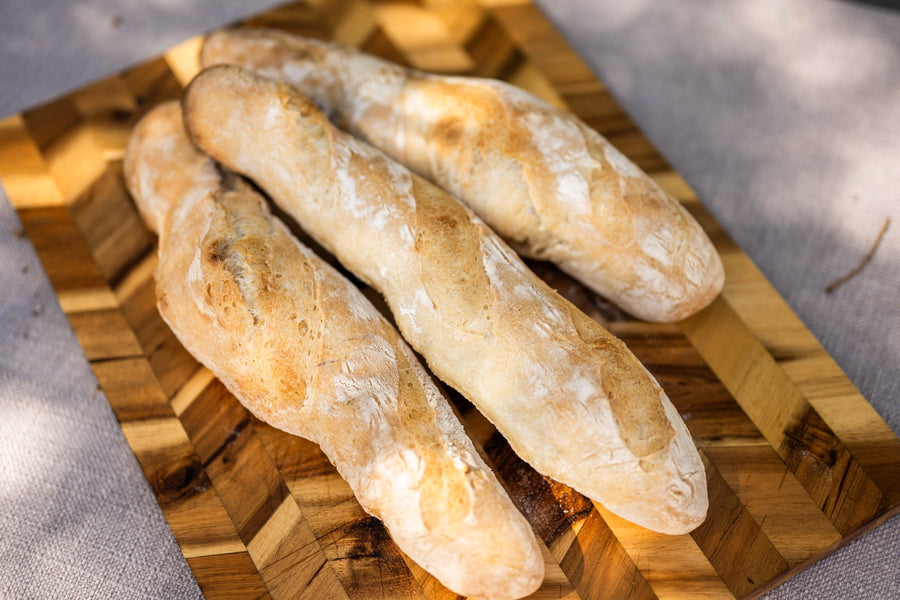 BakeEasy Homemade BaguettesFresh bread, a crisp crust and butter melting into the middle. These easy homemade bagu...
View recipe
-
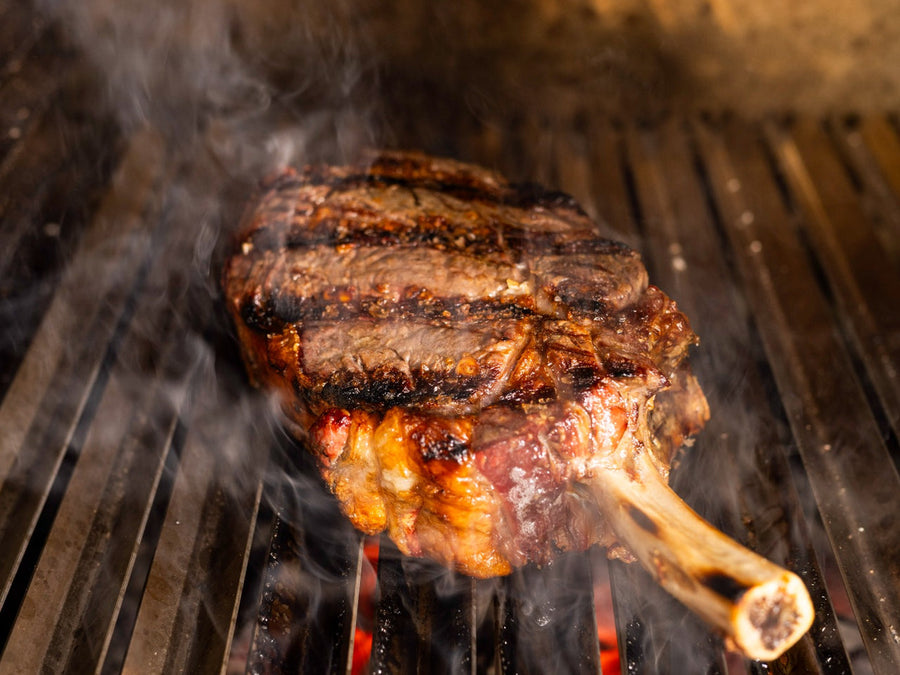 BeefCharcoal Grilled Ribeye Steak on the Argentine GrillA thick ribeye on the bone, a hot Argentine grill and a little sea salt. That is a very...
View recipe
-
 GrillPrawns with Chilli, Garlic and LemonShell-on prawns hit the hot plancha and the smell of garlic and toasting shell drifts o...
View recipe

Frequently asked questions
-
Do I have to marinate the lamb overnight?
-
What temperature should Charlie be for a slow lamb curry?
-
Can I make this lamb curry the day before?
-
Can I use leg of lamb instead of shoulder?